ENFPThe imaginative motivator
- of the population
- 8.2%
- of men
- 5.8%
- of women
- 10.2%
ENFP preferences
- ExtraversionGets energy from the outer world of people and activity
- IntuitionPrefers to take in patterns and possibilities
- FeelingPrefers to decide with values and people in mind
- PerceivingPrefers a flexible, open approach to life
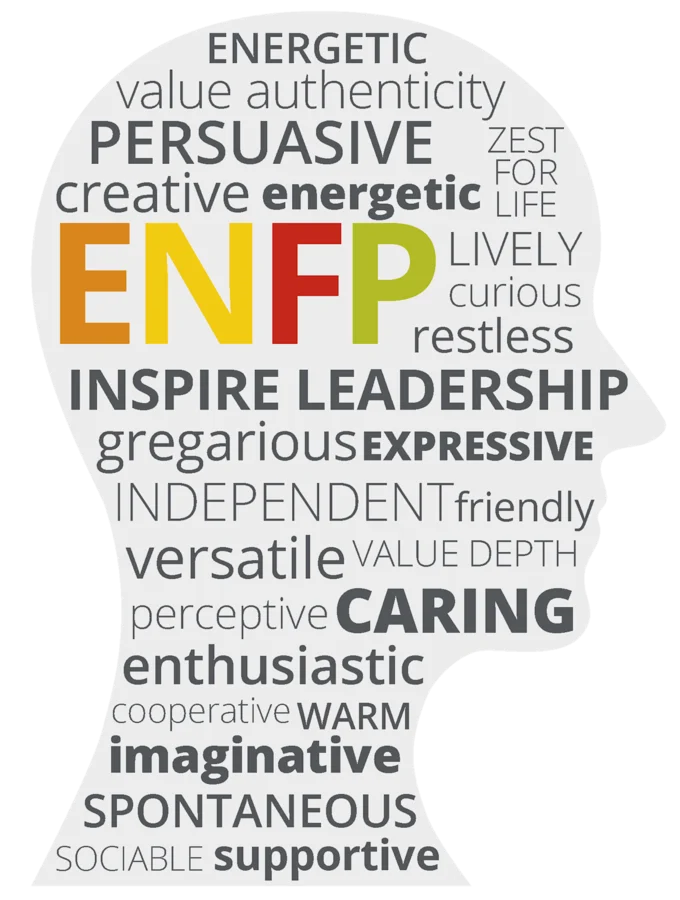
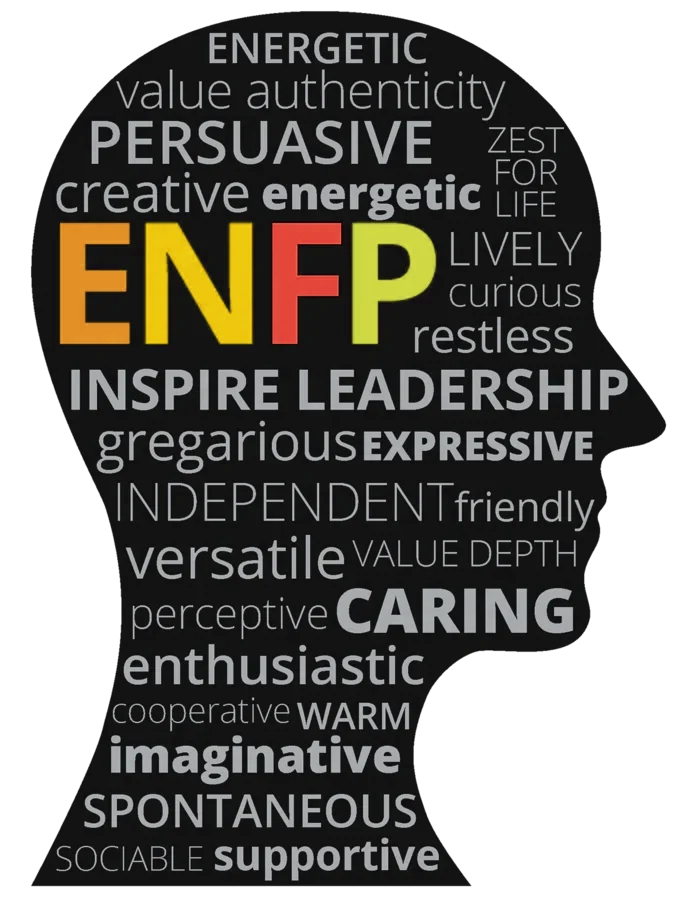
ENFP strengths and weaknesses
ENFPs at their best
At their best, ENFPs are inspiring visionaries and natural leaders. They’re often excited by life, no matter what it brings their way.
People with ENFP preferences can easily shift and adapt to new challenges. Rather than becoming stressed or overwhelmed by new people or situations, they are inspired by new points of view and love to rise to the occasion. ENFPs are also inspiring to others, with the result that they often become leaders at work or in their personal lives.
Potential development areas for ENFPs
Their zest for life makes ENFPs fun to be around, but this also means they’re prone to extreme emotions—especially when they’re stressed.
They have a tendency to overcommit themselves in their excitement to take on new challenges. This may lead to them abandoning projects, struggling to prioritize, or burning out.
Want to build your confidence and emphasize your strengths? Take the MBTI® assessment here and receive our personal development course on confidence for free with your purchase.
ENFPs and stress
People with ENFP preferences tend to have big personalities. They may also display frequent and dramatic changes in emotion.
ENFPs are likely to become overwhelmed if they’re forced to make a decision before they’re ready or commit to long-term plans they don’t agree with. They get stressed when deadlines interfere with their creative process, or when rules impose on their personal relationships.
If you have ENFP preferences, try these simple strategies to balance your feelings during times of stress:
- Set realistic, manageable deadlines. Although you’d prefer not to have a deadline at all, sometimes they’re unavoidable. If you’re aware of a deadline well ahead of time, you can take steps to ready yourself before it comes up.
- Make time to experiment with new projects. Instead of committing to every interesting project and bouncing between them, dedicate some time to trying new things and being creative. This will help you worry less about those other, more regimented tasks.
- Be open about your goals and expectations for your relationships. Don’t commit to restrictive relationships that you won’t be able to uphold. Avoid stress for yourself (and others) by making it clear that you need a lot of free time and minimal commitments.
Explore the 16 types
Compare the strengths and weaknesses page across types.
- ISTJresponsible realist
- ISFJpractical helper
- INFJinsightful visionary
- INTJconceptual planner
- ISTPlogical pragmatist
- ISFPversatile supporter
- INFPthoughtful idealist
- INTPobjective analyst
- ESTPenergetic problem solver
- ESFPenthusiastic improvisor
- ENFPimaginative motivator
- ENTPenterprising explorer
- ESTJefficient organizer
- ESFJsupportive contributor
- ENFJcompassionate facilitator
- ENTJdecisive strategist
Your next step
Take the official MBTI® assessment.
There’s no better time to invest in yourself.