INTPThe objective analyst
- of the population
- 4.8%
- of men
- 5.8%
- of women
- 4.0%
INTP preferences
- IntroversionGets energy from the inner world of ideas and reflection
- IntuitionPrefers to take in patterns and possibilities
- ThinkingPrefers to decide with logic and consistency
- PerceivingPrefers a flexible, open approach to life
INTPs and careers
INTPs at work
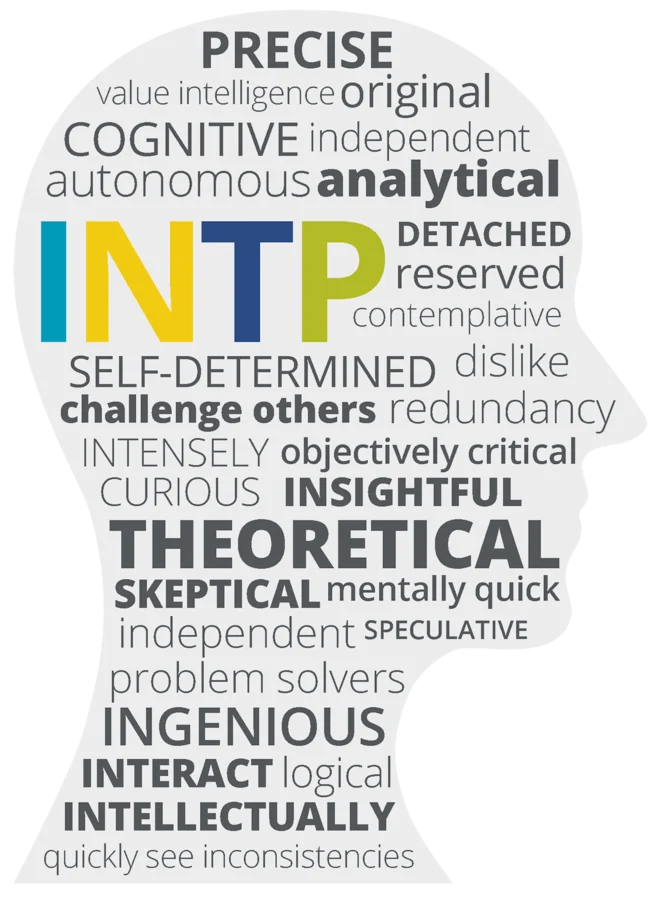
At work, people with INTP preferences prefer to have plenty of uninterrupted time to work independently and intensely. They love to examine complex systems and figure out how they could be improved, and they’re always open to exploring new possibilities and trying new approaches. INTPs tend to visualize the world around them as a complex model or framework, and they often do best in careers that encourage this type of analysis.
INTPs are adept at summarizing issues, finding problems, and pitching strategic, long-term solutions to others. These are valuable skills in most fields, but especially in the worlds of technology, transportation, architecture, and finance.
Popular occupations for INTPs
- Architect
- Advertising
- Artist
- Human resources
- Organizational development
- Change management
- Consultancy
- Engineer
- Financial analyst or advisor
- Television or film writer
- Designer
- Software developer
Career trends for INTPs
People with INTP preferences are complex problem solvers. They like to examine how things work, and they often notice things that other people miss.
INTPs rarely enjoy being micromanaged or working as part of a large team. As a result, they often take up careers that allow them to forge their own paths or create their own roles rather than falling into a traditional organizational structure.
Leadership style of INTPs
INTPs tend to make successful leaders. Their analytical nature and ability to stay focused in almost any circumstances mean that, while they often prefer to work independently, they can effectively manage others as long as the people they’re managing are equally independent.
About 6% of global leaders have INTP preferences—a significant number given that around 4.8% of the general population have preferences for INTP.
INTPs on a team
People with INTP preferences don’t dislike being a part of a team, but they might not think of teams as necessary. Even when they are part of a team, they still tend to do most of their work on their own—but maybe in closer proximity to others than usual.
INTPs would rather let each individual determine how they work best than tell anyone what to do. But they do enjoy discussing ideas and sharing their findings with colleagues.
Want to learn more about how to stay motivated? Take our MBTI® assessment here and you’ll get exclusive access to our personal development course on motivation with your purchase!
Explore the 16 types
Compare the careers page across types.
- ISTJresponsible realist
- ISFJpractical helper
- INFJinsightful visionary
- INTJconceptual planner
- ISTPlogical pragmatist
- ISFPversatile supporter
- INFPthoughtful idealist
- INTPobjective analyst
- ESTPenergetic problem solver
- ESFPenthusiastic improvisor
- ENFPimaginative motivator
- ENTPenterprising explorer
- ESTJefficient organizer
- ESFJsupportive contributor
- ENFJcompassionate facilitator
- ENTJdecisive strategist
Your next step
Take the official MBTI® assessment.
There’s no better time to invest in yourself.